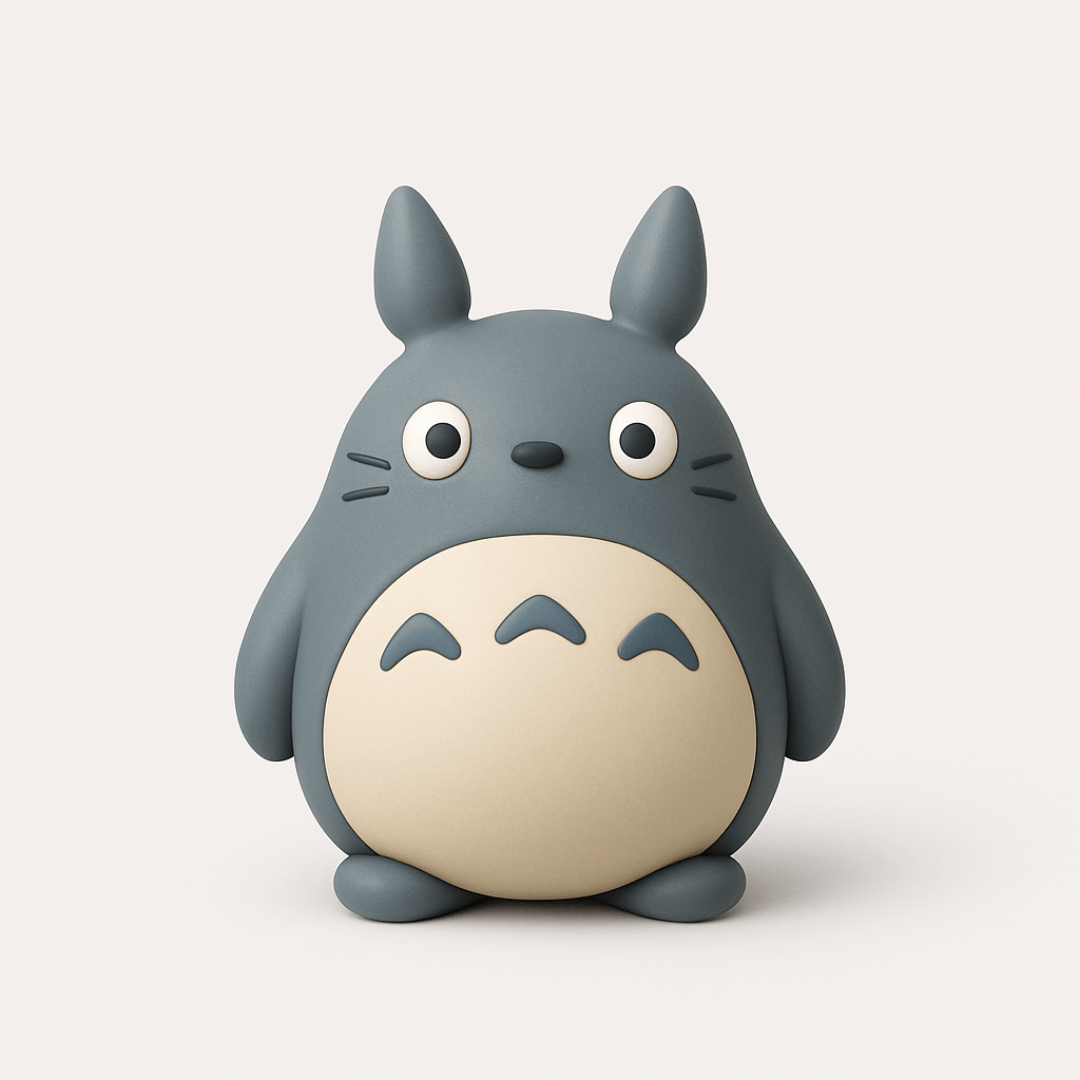


A sticky surface is a reason to identify the material and seek suitable care instructions, not to try the strongest cleaner in the cupboard. Different coatings and components can react differently, and residue should not automatically be treated as ordinary dirt.
Document before cleaning
Take clear photographs and note where the stickiness occurs. Record the product name, material if known, storage conditions and whether the piece is newly received. If it arrived this way, contact the seller before altering the surface.
Avoid rubbing repeatedly to test the problem. That can spread residue or disturb paint. Separate the figure from objects that might adhere to it while keeping it supported as intended.
Use guidance for the actual product
Good Smile's article on sticky figures discusses plasticizer residue in PVC figures. It does not establish that every sticky collectible has the same cause or can tolerate the same treatment.
Check the maker's instructions for the exact materials and finish. Do not generalize a technique intended for an uncoated plastic part to cloth, decals, resin, metallic paint or electronics. If you cannot identify the finish, ask rather than experimenting with solvents or abrasive products.
Review the storage location
Look for unsuitable heat, dampness or contact with other materials. Changing the storage arrangement may help avoid repeating the conditions, but it does not prove that an existing surface problem has been resolved.
For a figure purchased from Super Saiyan Sphere, use the contact page with photographs and order details. Keep any response about that specific item. A careful diagnosis is more useful than a dramatic cleaning result that leaves the paint damaged.
Related guides
Dusting Anime Figures: A Gentle Cleaning Routine · Storing Anime Figures in a Humid Room: What to Check